
🔍
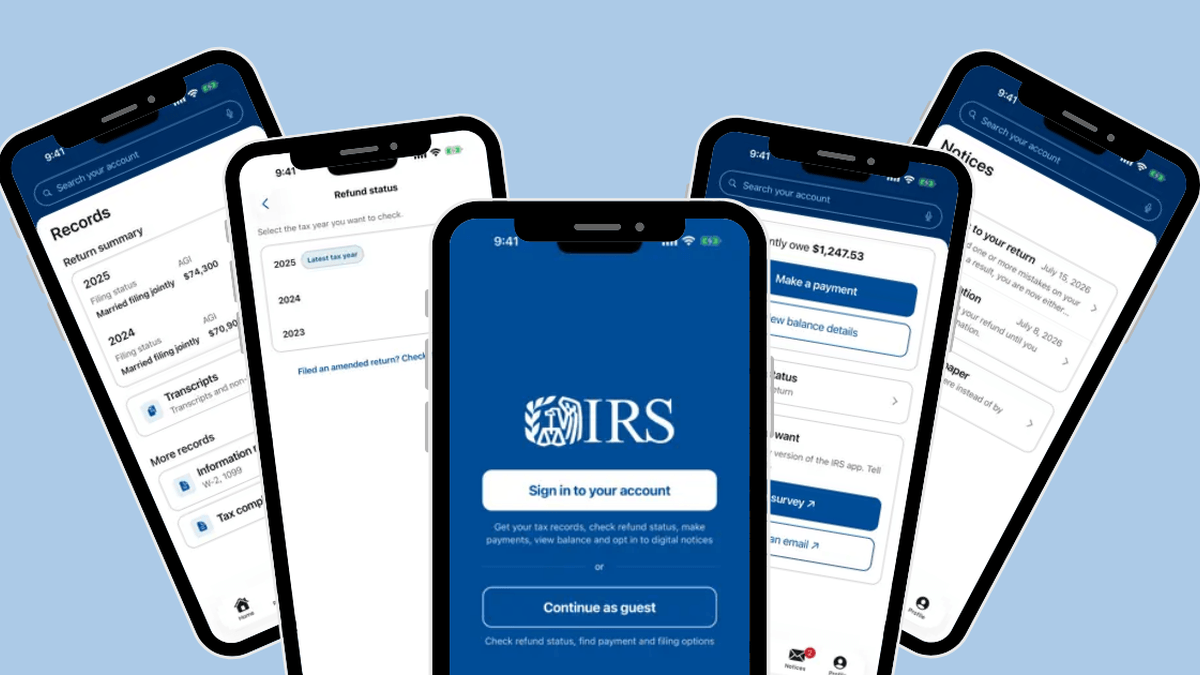
The IRS has a new mobile app. Here’s what taxpayers can do with it.
The IRS has launched a new mobile app that replaces IRS2Go, giving taxpayers quick access to refund status, payment history, tax records, IRS notices, and Identity Protection PINs. This article walks through what the app can do and how to use it safely. If something in your IRS account raises questions, a tax professional can help you make sense of it.

How much cash should your business actually keep?
How much cash should your business keep on hand? The answer depends on more than a simple rule of thumb. This article breaks down a practical framework for separating your cash into layers, covering operating needs, committed funds, and contingency reserves, so you can make smarter decisions about liquidity, capital allocation, and when cash truly becomes excess.

Q4 tax planning: what needs to happen, and when?
Q4 tax planning is not a single deadline; it's a series of decisions that each have their own timing. Some strategies require lead time to execute, others depend on an updated year-end forecast, and some work can legitimately carry into the new year. Knowing which category each decision falls into is what separates effective fourth quarter planning from a last-minute scramble in December.

Form 990 filing mistakes that can undermine your nonprofit’s credibility
Form 990 is more than a tax return; it's a public document that donors, grantmakers, and regulators use to evaluate your nonprofit. Common mistakes in filing, reconciliation, and narrative disclosures can raise questions about financial stewardship or put your tax-exempt status at risk. This article outlines the key errors to avoid and how to build a more reliable year-over-year filing process.

IRS raises the standard mileage rates for the second half of 2026
The IRS raised the standard mileage rates for the second half of 2026, effective July 1, with the business rate increasing from 72.5 cents to 76 cents per mile. Taxpayers who use their vehicle for business, medical, or qualifying moving purposes will need to track mileage separately for each half of the year. Learn what the new rates mean for your deductions, reimbursement policies, and recordkeeping.

IRS introduces automatic penalty relief for taxpayers with a strong compliance history
The IRS is replacing its First Time Abate program with a new Automatic Exemption from Penalty (AEP), which will automatically prevent certain penalties for eligible taxpayers with a strong compliance history. Starting with 2025 tax year returns and 2026 quarterly returns, qualifying individuals and businesses may avoid failure-to-file, failure-to-pay, and failure-to-deposit penalties without needing to call the IRS or submit a separate request. Understanding the eligibility requirements and transition timeline is key to making the most of this change.

Why homeowners need to track improvements before a sale or inheritance
As home values rise, the federal home sale exclusion may no longer be enough to eliminate capital gains tax when a property is sold or inherited. The difference between a large tax bill and a smaller one can come down to how well a homeowner documented capital improvements over the years. Keeping a permanent record of qualifying expenses is one of the simplest steps homeowners can take to protect themselves.

IRS provides gift tax safe harbor for Trump account contributions
The IRS just made it easier for families to fund Trump accounts without triggering an unexpected gift tax filing requirement. In Revenue Procedure 2026-25, the IRS established a safe harbor that allows qualifying donors to contribute cash to a child's Trump account and skip Form 709 entirely, as long as key conditions are met. Here's what you need to know before making contributions.

Tax mistakes new business owners make in their first profitable year
Your first profitable year in business is worth celebrating. But it can also bring expensive tax surprises, especially if you're still managing the business like you did when revenue was lower. Here are the most common mistakes new business owners make and what to do instead.

State tax nexus in 2026: what business owners need to know about unexpected tax obligations
If your business sells online, has remote employees, or uses third-party fulfillment, you may owe taxes in states where you've never filed a return. Learn how physical presence and economic nexus rules work, what triggers an obligation, and what to do if your business has unexpected exposure.

Conservation easements: what they are and why the IRS is watching
Conservation easements have a legitimate place in tax and estate planning, but for years promoters have been packaging them into abusive investment schemes that have drawn IRS enforcement. If you've been approached with one of these arrangements, or if you've already participated in a prior year, the consequences of getting this wrong include disallowed deductions, steep penalties, and in serious cases, criminal prosecution. This article breaks down how legitimate easements work, what the abusive versions look like, and what steps to take if you have questions about your situation.

Hiring family members in your small business: tax advantages and mistakes to avoid
Hiring family members can create real tax advantages for small business owners, but the rules depend on entity type, relationship, age, reasonable compensation, and payroll compliance. Here’s what to know before putting relatives on payroll.